
Eco-Friendly and Hypoallergenic Laundry Detergent: Why It’s a Better Choice (and How to Make It)
In recent years, “green” detergents have become increasingly popular. However, not all products labeled as eco-friendly truly are. Many industrial detergents—even premium ones—are complex formulations designed to maximize performance under all conditions, often at the expense of simplicity, biodegradability, and skin compatibility.
A more minimal, thoughtfully designed alternative can offer a better balance between cleaning performance, environmental impact, and skin safety.
Let’s get straight to the recipe, shall we? After the recipe, we’ll dig deeper into why this alternative is better than the industrial one.
The Recipe: “Eco-Tech” Bio-Detergent (1 Liter)
This formula is designed for high performance at low temperatures ($30-40$°C), protecting both your energy bill and your clothes.
The Ingredients (don’t be scared by their names, they’re nice and genlte)
- 650 ml Distilled Water: The pure solvent.
- 120 ml Decyl-Glucoside (APG): A high-performance, plant-derived surfactant.
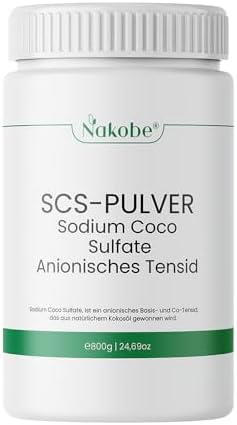
- 80 g Sodium Coco Sulfate (SCS): Your primary cleaning “muscle” derived from coconut.
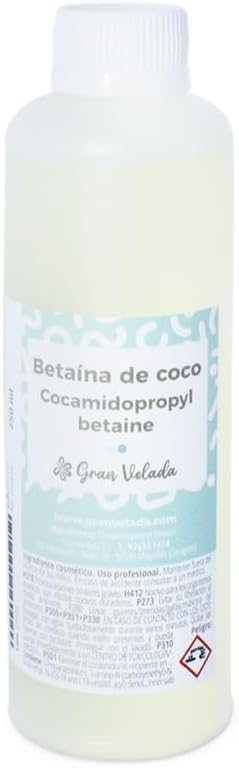
- 20 g Cocamidopropyl betaine: Your secondary cleaning “muscle”, also derived from coconut. And controls foam.
- 70 g Sodium Citrate: A green sequestor that neutralizes hard water minerals.
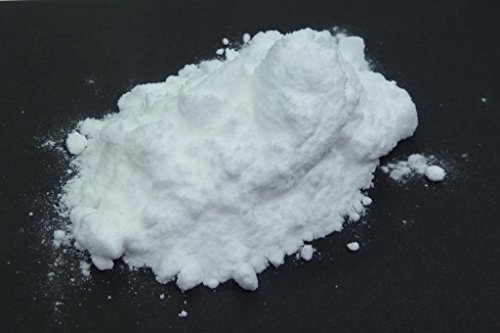
- 40 g Sodium Bicarbonate: Provides gentle alkalinity for stain removal.
- 10 g Carboxymethyl Cellulose (CMC): An anti-redeposition agent to keep dirt from settling back on clothes.
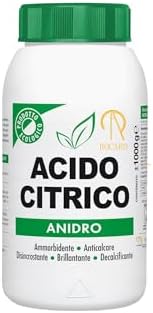
- Citric Acid (10% sol.): To balance the pH. Stick with me, I’ll explain you how.
- pH Indicators (Litmus Paper): to have everything under control.




Optional, but highly recommended:
- 20 ml Enzyme Blend (Protease/Amylase/Lypase): The biological powerhouse for organic stains.
- 1.5 g Sodium Benzoate + 1.5 g Potassium Sorbate: Eco-friendly preservative system.
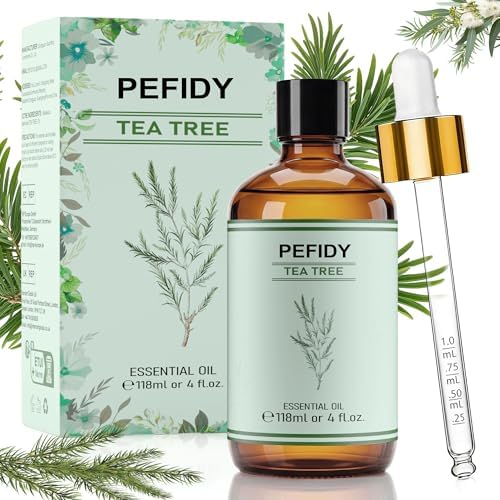
- 1.5–2 ml Essential Oils: For natural disinfection (e.g Tea Tree / clove) and scent (Sandal, Lavender, you name it!).




Step-by-Step Formulation
1. The Mineral Base
Warm the distilled water to about 35°C/95°F. Slowly stir in the GLDA, Sodium Bicarbonate, and CMC. Continue stirring until the solution is clear and slightly viscous. The CMC may take a moment to fully hydrate.
2. The Cleaning Engine
Slowly pour in the Decyl Glucoside and Sodium Coco Sulfate. Stir gently in a circular motion to avoid creating a “bubble bath”—you want to blend the liquids without creating excessive foam.
3. The Vital Balance
Once the mixture has cooled to room temperature, check the pH. It should sit around 8. If it is higher (more alkaline), add the Citric Acid solution drop by drop. This step is crucial: if the pH is too high, your enzymes will lose their power. To prepare the 10% solution, dissolve 10 g of Citric acid in 80mL of water and then bring to 100mL.
4. The Bio-Actives
Finally, add the Enzymes, Preservatives, and Essential Oils. Stir one last time to ensure a homogenous blend. Pour into a glass bottle or a repurposed container.
How to Use
Use 40–50 ml per load. This detergent is low-sudsing but high-efficiency. For whites that need an extra boost, pair this liquid with a tablespoon of sodium percarbonate in the drum.
Why this alternative is better
1. Lower environmental impact
Traditional industrial detergents often rely on:
- petrochemical surfactants that are more persistent
- poorly biodegradable synthetic polymers
- optical brighteners that do not readily degrade
An eco-friendly formulation instead uses:
- surfactants from renewable sources (oils and sugars)
- biodegradable sequestrants (citrates, GLDA/MGDA)
- no phosphates or optical brighteners
This results in a significant reduction in aquatic toxicity and environmental accumulation.
2. Better skin compatibility
Many commercial detergents contain:
- complex fragrance blends (a major source of allergies)
- sensitizing preservatives (e.g. isothiazolinones)
- harsh surfactant systems
A hypoallergenic formulation:
- eliminates fragrances and dyes
- uses milder surfactants
- includes amphoteric co-surfactants to reduce irritation
The result is a product better suited for sensitive skin, children, and allergy-prone users.
3. Functional, not excessive
Industrial detergents are designed to perform under extreme conditions (very hard water, heavy soil, low temperatures), which often leads to overengineered formulas.
A well-designed eco detergent:
- uses only what is truly necessary
- maintains good performance on everyday laundry
- avoids redundant ingredients
4. Balanced performance and sustainability
By combining:
- targeted enzymes
- anti-redeposition agents (CMC)
- modern biodegradable chelants
you get effective cleaning without relying on “heavy” chemistry.
5. Cost-Effective Independence:
Buying raw ingredients in bulk allows you to:
- produce premium-grade detergent for a fraction of the price of “luxury” eco-brands
- all while reducing plastic waste.
Welcome to your new standard of clean: safe, independent, and scientifically sound.