
Green Softness: Why (and How) to Say Goodbye to Traditional Fabric Softeners
Do you dream of fluffy laundry that smells like nature, without polluting our lakes, rivers and oceans or irritating your skin? The answer isn’t on the supermarket shelf — it’s in a homemade bottle filled with safe, biodegradable ingredients.
Today, we’re exploring how to create an eco-friendly fabric softener using citric acid and lecithin, a powerful duo that challenges industrial products when it comes to both health and the environment. Thank you from both Mother Nature and your hormones! 🙂
The Recipe: Ingredients and Measurements (for 1 Liter)
SAFETY FIRST! Wear latex/nitrile gloves and protective glasses/goggles!
For this formulation, we’ve chosen only the finest green chemistry:
- 800ml Demineralized Water: Prevents mineral deposits during the mixing process.
- 150g Anhydrous Citric Acid: Our acidifier. It neutralizes detergent residues and relaxes fabric fibers.
- 20g Soy Lecithin: Our natural conditioning agent. It coats the fibers to provide softness.
- 30g Vegetable Glycerin: A humectant that lubricates the fabric, making ironing significantly easier.
- 5g Preservative (Potassium Sorbate): Essential to keep the organic components shelf-stable.
- 10ml Essential Oils: Pick one or two. In the table here below I proposed you 3 🙂


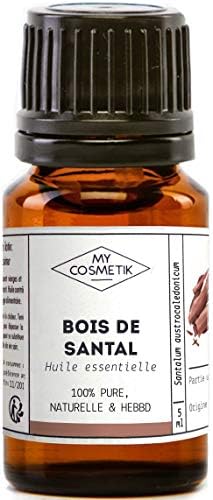
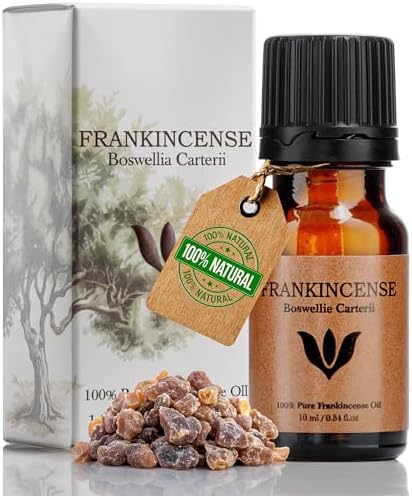

Check if you already bought some of these ingredients for other recipes on this website, you might have some still laying around 😉
Preparation Method
Let’s make it simple!
- Dissolve the Acid: Pour the citric acid into the demineralized water and stir until the liquid is perfectly clear.
- Create the Softness Base: In a separate small bowl, mix the lecithin, glycerin, and essential oils until you get a smooth paste.
- Emulsify: Combine the two mixtures. The pro tip? Use an immersion blender (stick blender) for about 10 seconds. This step is crucial to “break down” the lecithin and create a stable, milky emulsion.
- Preserve: Add the preservative, give it one last shake, and bottle it in glass or recycled plastic.
Environment and Health: Why Choose DIY?
The Benefits
- Skin Health: Conventional softeners often contain Esterquats or persistent synthetic musks that can trigger dermatitis and allergies, as they are designed to stay trapped in the fibers. This formula is hypoallergenic and rinses away cleanly.
- Protecting Marine Life: Many industrial ingredients are toxic to aquatic organisms. Citric acid and lecithin are 100% biodegradable and break down very quickly in the environment.
- Limescale Protection: In addition to softening your clothes, the citric acid acts as a descaler for your washing machine, extending its lifespan.
The Drawbacks (Honesty First!)
Despite the perks, it is important to note:
- Scent Longevity: Without strong chemical fixatives, the scent of essential oils will fade faster than synthetic fragrances (don’t worry, it still lasts a week!)
- Physical Stability: Since it lacks aggressive industrial stabilizers, the product may separate over time. Simply give the bottle a quick shake before each use to remix the formula.
The Extra Touch: With this recipe, you’re not just saving plastic; you know exactly what you’re wearing every day. Nature has a beautiful scent—why mask it with petroleum-based chemicals?